

15 Nov Hybrid Work & Office Furniture: Designing Spaces That Work for Everyone
Hybrid Work & Office Furniture: Designing Spaces That Work for Everyone
Hybrid work has permanently changed the way companies use their physical office. Instead of full-capacity offices with fixed seating and traditional layouts, modern workplaces now need to support fluctuating attendance, shared spaces, and employees who come in for specific activities such as team discussions, brainstorming sessions, or focus work.
In this new landscape, office furniture plays a critical role. The right pieces not only enhance comfort but also make the environment more adaptable and efficient — two essential qualities in hybrid work culture.
Why Hybrid Work Is Redefining Office Design
Under a hybrid schedule, employees no longer rely on dedicated desks or rigid layouts. Offices must now serve as multi-functional hubs that accommodate different activities throughout the day.
This shift has pushed companies to rethink their furniture choices. Traditional fixed desks and static meeting rooms are no longer enough. Instead, businesses are opting for modular systems, ergonomic seating, and collaborative furniture that can easily transition from individual work to team settings.
Hybrid work essentially demands an office that moves with the people — where chairs, tables, and partitions can be rearranged effortlessly to support changing needs.
Essential Furniture That Supports Hybrid Workspaces
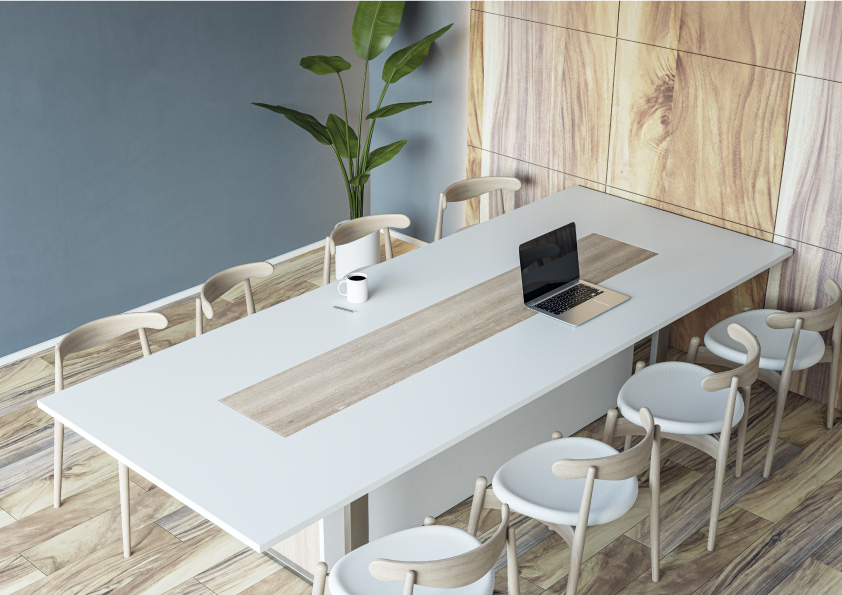
Modular Workstations for Dynamic Layouts
Modular furniture has become one of the most valuable investments for hybrid workplaces. Instead of limiting teams to a single arrangement, modular desks and tables allow organisations to rearrange their workspaces within minutes.
A small meeting table can transform into individual workstations, or desks can be grouped together on days where team collaboration is the focus. This adaptability maximises space usage while still giving employees a comfortable place to work on days they are in the office.
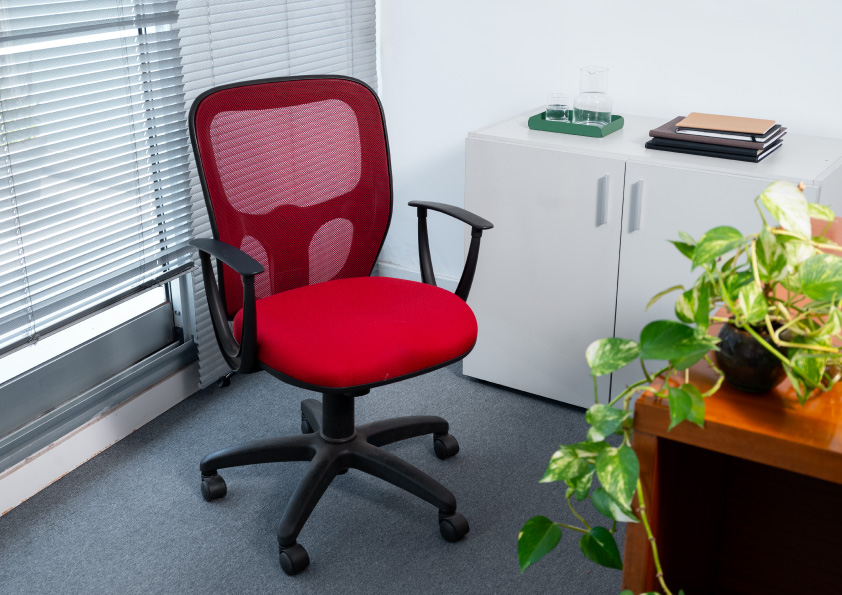
Ergonomic Office Chairs That Support Shared Seating
Since hybrid employees may not sit in the same chair every time they visit, ergonomic seating has become more important than ever. Chairs must provide immediate comfort and support, without requiring complex adjustments.
Ergonomic chairs with breathable mesh, flexible lumbar support, and smooth mobility give every employee — regardless of height, posture, or daily habits — an equal level of comfort. This prevents fatigue and ensures high-quality work even during short office visits.

Collaborative Zones That Encourage Team Connection
One of the main reasons employees return to the office is to collaborate. Furniture that supports teamwork, such as mobile whiteboards, foldable training tables, lounge seating, and open meeting areas, helps create a more inviting and engaging environment.
These spaces encourage spontaneous discussions and brainstorming sessions, making the office feel like a hub of creativity.

Quiet Zones for Deep Focus
Hybrid employees often come into the office when they need quiet, uninterrupted time — something they may not always have at home. That’s why dedicated focus areas have become essential.
Acoustic panels, privacy pods, and high-back seating help reduce noise and create pockets of calm within an otherwise busy office. These features offer employees a place to concentrate without distractions.
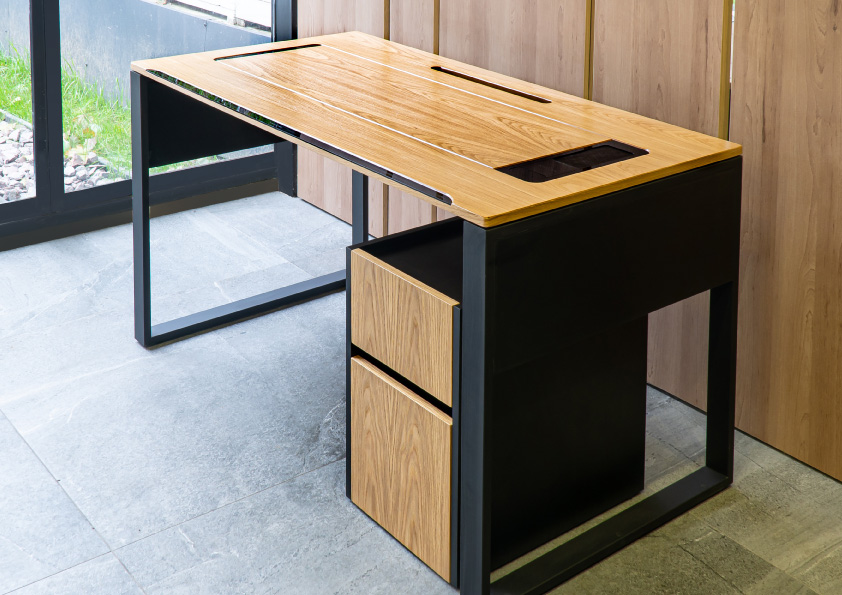
Smart Storage for Hot-Desking Environments
With employees sharing workstations, personal storage solutions become especially important. Lockers, mobile pedestals, and compact cabinets help keep the workspace organised while giving individuals a place to secure their belongings.
These storage options maintain cleanliness and professionalism, even in a flexible seating setup.
How Hybrid-Friendly Furniture Improves Productivity and Well-Being
The right combination of furniture enhances not only office aesthetics but also employee performance. Ergonomic chairs reduce physical strain, modular desks improve workflow efficiency, and collaborative furniture encourages teamwork.
Hybrid-ready furniture improves:
A well-designed hybrid office improves more than just aesthetics—it influences the entire work culture.
01
Employee Comfort
Better chairs and flexible tables reduce physical strain and fatigue.
02
Space Efficiency
Modular setups ensure every corner of the office serves a purpose.
03
Collaboration
Open, inviting spaces help encourage communication and teamwork.
04
Focus & Privacy
Dedicated quiet areas allow employees to work uninterrupted.
05
Morale & Culture
A comfortable, updated office motivates people to come back willingly—not out of obligation.
Designing a Hybrid-Ready Office: Practical Tips
A successful hybrid office strikes a balance between flexibility, comfort, and structure. The goal is to create a space that feels open and adaptable, yet organised and intentional.
Choose furniture that is easy to move, supports different types of work, and complements your office’s design identity. Prioritise ergonomic seating to ensure comfort for every individual, whether they are in the office for one hour or eight.
Most importantly, think of your office as a living environment — one that evolves with the needs of your team.
Final Thoughts: The Future Workplace Is Flexible
Hybrid work is reshaping how organisations operate, but with the right furniture, the transition becomes smooth and intuitive. As companies continue to embrace flexible work arrangements, their office environments must reflect this new level of adaptability.
By investing in modular furniture, ergonomic seating, and collaborative spaces, businesses can create workplaces that feel comfortable, progressive, and designed for modern teams.