

14 Oct Collaborative Furniture Singapore: How Flexible Furniture Solutions Transform Modern Learning and Workspaces
Collaborative Furniture Singapore: How Flexible Furniture Solutions Transform Modern Learning and Workspaces
A meeting room that doubles as a workshop space. A classroom where students can work in small groups. An office where colleagues can move from individual tasks to team discussions without feeling confined to their desks.
These environments have something in common: the furniture needs to work around the people using the space, rather than the other way around.
For businesses and educational institutions, choosing the right furniture is about more than appearance. The layout should support the activities taking place, make movement comfortable and allow the space to function well throughout the day.
Collaborative furniture in Singapore can help organisations create more adaptable work and learning environments. With suitable tables, chairs and thoughtful layouts, a room can accommodate different ways of working without needing a completely separate area for every activity.
What Is Collaborative Furniture?
Collaborative furniture is designed to support shared activities such as discussions, teamwork, training and group learning. Depending on the environment, it can include tables, chairs and furniture that can be rearranged to suit different uses.
The difference is often in how the furniture is used. Instead of setting up a room for just one purpose, organisations can consider how the same space might serve several needs.
For example, a room used for team meetings could also accommodate a workshop, while a classroom could be arranged differently for group projects and teacher-led lessons.
The most suitable setup depends on the people, activities and available space. The aim is to make collaboration easier without compromising comfort or practicality.
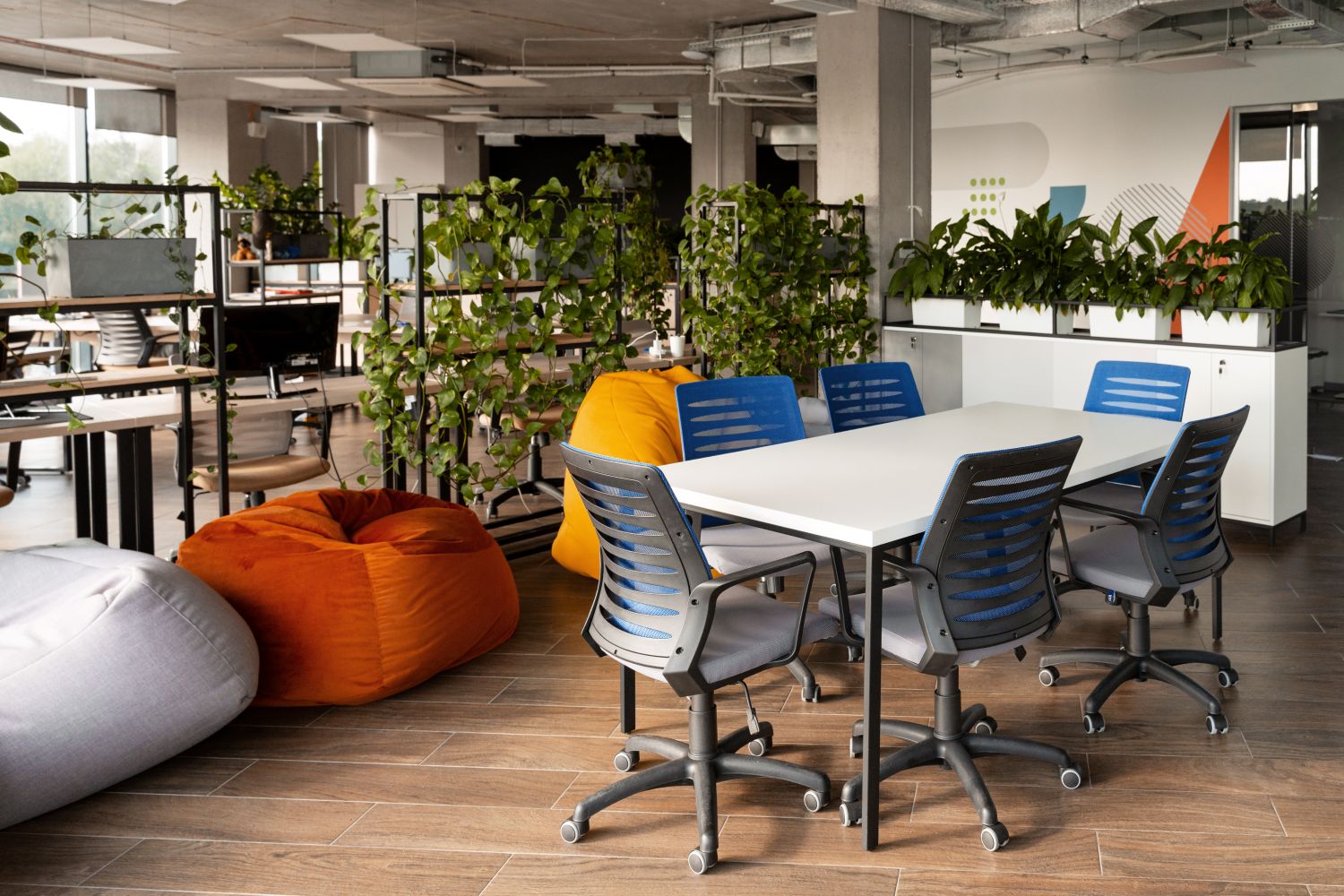
1. Give Office Teams More Ways to Work Together
Not every office discussion needs to take place in a formal meeting room.
Sometimes, a team needs a shared table to review a project. At other times, colleagues may need a space to brainstorm ideas, discuss a problem or work together on a task.
Collaborative workspace furniture can help businesses provide options beyond individual desks and traditional meeting tables.
When planning a shared office area, think about the type of interaction you want to encourage. A small table may suit informal discussions, while a larger arrangement could be more practical for group planning sessions.
Consider these questions before choosing your furniture:
- Do employees frequently work together on projects?
- Is there a suitable place for informal discussions?
- Could a shared area serve more than one purpose?
- Will the furniture suit the number of people using it?
A useful starting point is to identify the activities that happen most often, then select furniture that supports those needs.
2. Make Classroom Activities More Interactive
A classroom layout influences how students interact with their teachers and classmates.
Rows of desks may be suitable for lessons that require individual attention, but group projects and collaborative exercises can call for a different arrangement. Being able to adjust the layout gives teachers more options when planning classroom activities.
For example, students might sit facing the front during a teacher-led lesson, then work in small groups for a project or discussion.
When choosing furniture for collaborative learning spaces, consider:
The age and needs of the students. Furniture dimensions and seating should be appropriate for the intended users.
The teaching activities. Think about whether the classroom mainly supports individual work, group projects, discussions or a combination of these.
Movement around the room. Teachers and students need to move between tables without unnecessary obstruction.
Everyday practicality. Furniture should be suitable for regular classroom use and easy to manage within the available space.
There is no single classroom arrangement that suits every lesson. The aim is to choose classroom furniture that gives teachers practical options while keeping the learning environment comfortable and organised.
3. Turn One Training Room into a Multi-Use Space
Training rooms often have a busy schedule. A morning presentation may be followed by an afternoon workshop, with a team discussion taking place later in the week.
If the room is permanently arranged for one type of session, it may not be as useful for other activities.
Flexible furniture solutions can help organisations make better use of these rooms. For instance, tables could be positioned in rows for a presentation, grouped for workshop exercises or arranged around a shared area for discussions.
The key is to plan for the activities the room actually needs to support.
Before selecting furniture, consider the usual number of participants, the type of sessions being conducted and how often the layout will change. Allow enough room for people to move around comfortably, pull out chairs and access the necessary equipment.
Training tables and chairs should work together as part of the overall arrangement, rather than being selected independently.
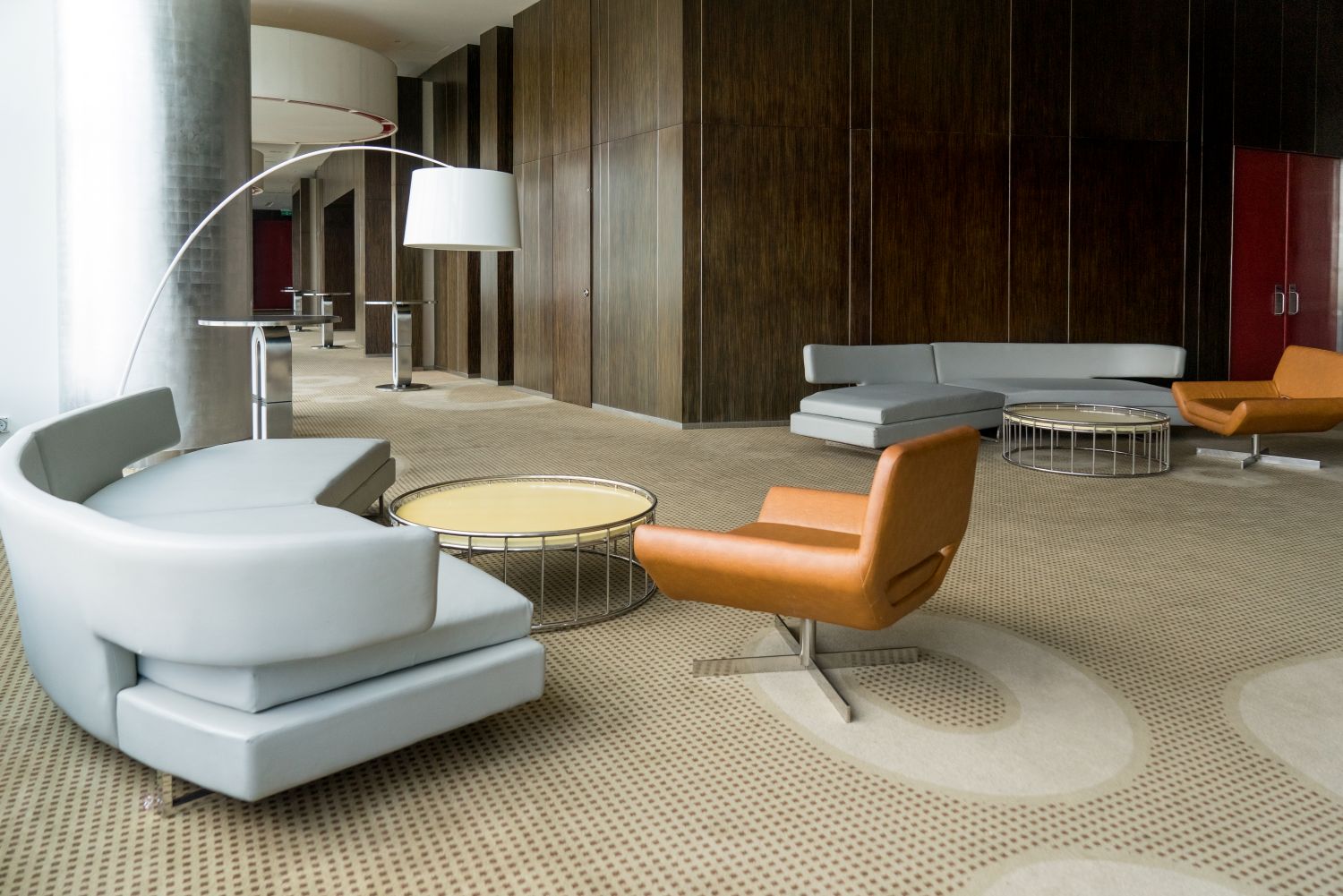
4. Choose Furniture Based on How People Will Use It
Furniture can look suitable in a product photograph but work differently once it is placed in a real room.
A large table may provide ample working space, for example, but leave little room for movement. A seating arrangement may look neat but be difficult to adjust when the room needs to accommodate another activity.
Before purchasing collaborative workspace furniture, consider how the furniture will function in practice.
| Intended use | What to consider |
| Team discussions | Table size, seating capacity and ease of conversation |
| Workshops | Space for group activities and shared materials |
| Training sessions | Participant numbers, visibility and room layout |
| Collaborative classrooms | Student needs, teaching methods and movement |
| Shared office areas | Everyday usability and the range of activities supported |
It is also worth checking the dimensions of the furniture against the room measurements before making a decision.
A well-planned setup should give people enough room to use the furniture comfortably while keeping the space practical for its intended purpose.
5. Balance Flexibility with Comfort and Practicality
Furniture that can be rearranged is useful, but flexibility alone does not make a space effective.
Comfort, durability and room layout still matter. Chairs need to suit their intended use, tables should provide sufficient working space, and the arrangement should allow people to move around safely and comfortably.
For a training room used throughout the week, for example, the furniture needs to support repeated use as well as different seating configurations. In a classroom, the needs of students and teachers should guide the choice of tables and chairs.
It helps to review the space as a whole:
- Dimensions: Measure the room and furniture before finalising the arrangement.
- Comfort: Choose seating appropriate for the intended users and duration of use.
- Durability: Consider how frequently the furniture will be used.
- Movement: Leave sufficient space for people to access and use the furniture.
- Adaptability: Decide whether the layout genuinely needs to change regularly.
These practical considerations help ensure that collaborative furniture supports the space instead of creating new challenges.
6. Think About Future Needs Before Choosing Your Furniture
A workspace or classroom may need to serve different purposes as an organisation grows or its activities change.
An office might introduce more group projects. A training room could begin hosting larger sessions. A school may want to accommodate more collaborative learning activities.
It is worth considering these possibilities before committing to a fixed arrangement.
This does not mean every room needs furniture that can be moved constantly. If a space has one clear, consistent purpose, a straightforward setup may be the better choice.
However, where activities vary, furniture that allows practical adjustments can provide more options over time.
The best decision comes from understanding how the space is used today, which changes are likely and what the furniture needs to support in the longer term.
Finding Collaborative Furniture in Singapore
Whether you are furnishing a corporate office, setting up a training room or improving a learning environment, start with the purpose of the space.
A business may prioritise team interaction and workshops, while a school may need furniture that supports group learning and classroom activities. These different requirements should guide the choice of tables, chairs and overall layout.
When sourcing collaborative furniture in Singapore, it is useful to consider:
- The activities and number of people the space needs to accommodate
- The dimensions and layout of the room
- The comfort and durability required for regular use
- Whether furniture needs to be rearranged frequently
- How tables and chairs will work together in the finished setup
Rather than choosing individual pieces based on appearance alone, take a step back and consider how the complete arrangement will serve its users.
Frequently Asked Questions (FAQs)
What is collaborative furniture?
Collaborative furniture includes tables, chairs and other furniture used to support teamwork, discussions, group activities and shared spaces. The choice depends on the environment and how people will use it.
What is collaborative workspace furniture used for?
It is commonly used in offices, shared work areas, meeting spaces and training rooms. Suitable furniture can support activities such as brainstorming, workshops, group discussions and team projects.
What are the benefits of flexible furniture solutions?
Flexible furniture solutions can give organisations more options for arranging a space according to different activities. They may be particularly useful where one room needs to accommodate several functions.
Is collaborative furniture suitable for small offices?
It can be. The important consideration is choosing furniture that fits the available floor area and supports the activities taking place. A smaller office may benefit from a shared area, provided the layout still allows comfortable movement and practical use.
What furniture is suitable for collaborative learning spaces?
Depending on the students and teaching methods, suitable options may include classroom tables and chairs that accommodate group work, discussions and individual learning. The layout should also allow teachers and students to move around comfortably.
How should I choose furniture for a training room?
Consider the room dimensions, typical participant numbers and the types of sessions being conducted. Tables and chairs should suit the intended activities, with enough space for movement and access.
What is the difference between collaborative furniture and traditional office furniture?
Traditional office furniture may be selected for specific functions, such as individual workstations or formal meeting areas. Collaborative furniture focuses more on supporting interaction and shared activities. Both can work together in a well-planned office.
Related Furniture Pages
- Collaborative Furniture: Furniture for teamwork, shared spaces and group activities.
- Office Tables: Tables for meetings and everyday workplace use.
- Training Chairs: Seating for training rooms, workshops and group sessions.
- Classroom Furniture: Furniture for schools and educational environments.
Planning a Collaborative Space? Start with How It Will Be Used
A productive workspace or engaging learning environment does not necessarily need more furniture. It needs furniture that suits the people, activities and space.
At Tiong Hin, businesses and educational institutions can explore furniture options for different office and learning environments, from tables and chairs to collaborative furniture solutions.
If you are planning a new workspace or rethinking an existing room, start with the activities you want the space to support. This makes it easier to identify the furniture that fits your requirements.
Discuss Your Workspace or Classroom Furniture Needs with Tiong Hin.