

14 Oct How to Maximise Small Office Spaces in Singapore with Modular Furniture
How to Maximise Small Office Spaces in Singapore with Modular Furniture
Office space in Singapore can be limited, particularly for small businesses, startups and companies operating from compact commercial units. When every square metre matters, simply adding more desks and chairs is not always the best way to make the most of the available space.
The right office furniture can make a significant difference.
Modular furniture offers businesses greater flexibility by allowing desks, tables and other furniture elements to be arranged, combined or reconfigured according to how the space is being used.
Instead of designing an office around one fixed layout, businesses can create a workplace that adapts to different activities, from focused individual work to meetings, training sessions and team discussions.
Here are some practical ways to maximise a small office space with modular furniture.
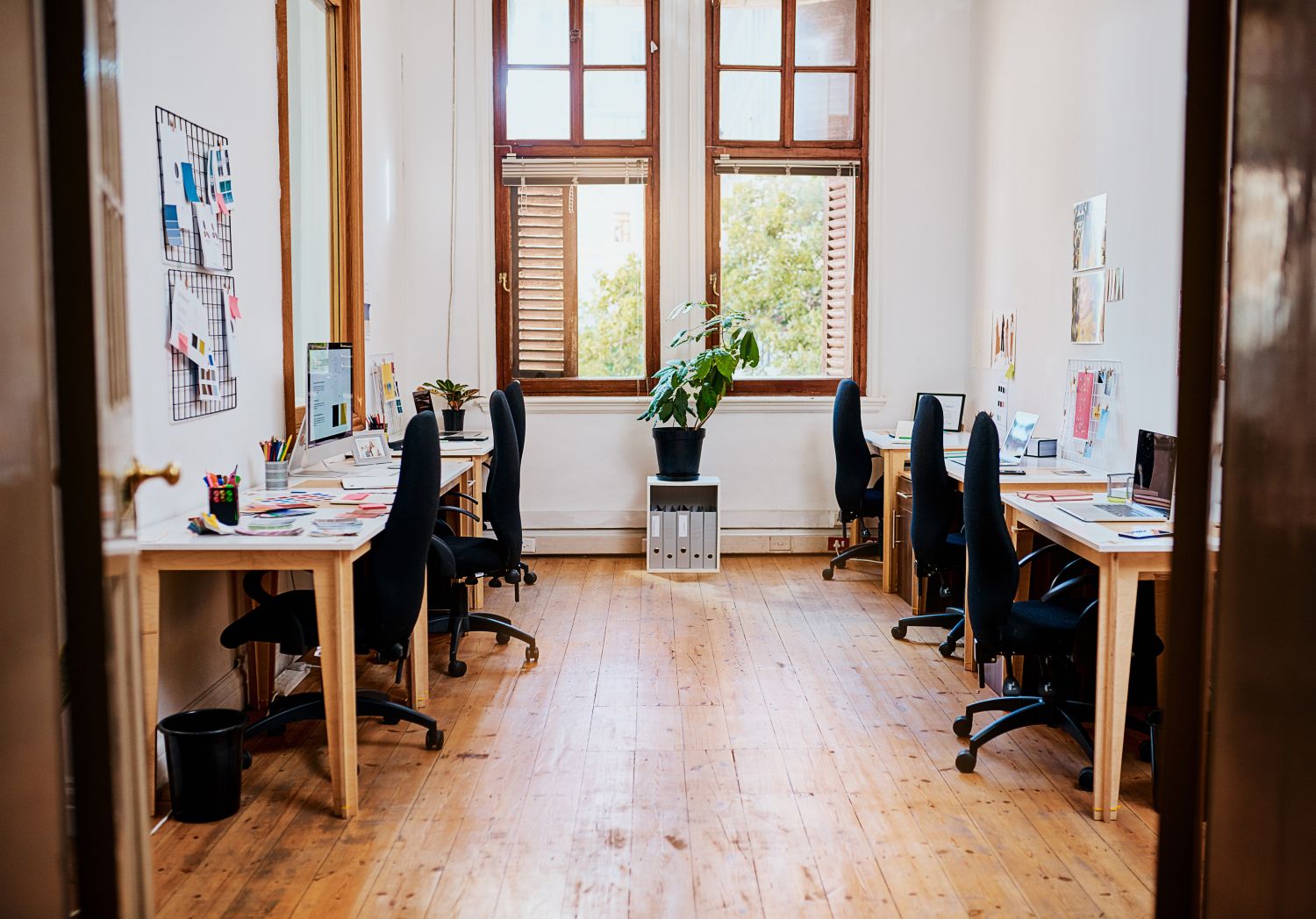
1. Start With How Your Office Space Will Be Used
Before choosing furniture, consider how people actually use the office.
A small office may need to accommodate several different activities, such as:
- Individual desk-based work
- Small team discussions
- Meetings
- Training sessions
- Informal collaboration
- Hot-desking or shared workstations
- Storage and circulation areas
Trying to create a separate room or dedicated area for every activity can quickly make a small office feel crowded.
Instead, consider whether the same area can support multiple functions through flexible furniture arrangements.
For example, a table used for daily workstation activities could potentially be rearranged for team discussions or training sessions when required.
2. Choose Modular Furniture That Can Be Reconfigured
One of the main advantages of modular furniture is flexibility.
Traditional fixed furniture arrangements can work well when the purpose of a space remains unchanged. However, businesses may need to adjust their office layout as teams grow, working arrangements change or different activities take place.
Modular office furniture can provide greater flexibility by allowing furniture to be rearranged according to the needs of the workplace.
For example, modular tables can potentially be configured in different layouts for:
- Individual work
- Small group discussions
- Training
- Workshops
- Meetings
- Collaborative activities
This can help businesses make better use of the same floor area instead of dedicating separate spaces to every function.
3. Use Training Tables for Multiple Functions
Tables can take up a significant amount of floor space in a small office, so choosing the right configuration can have a noticeable impact.
Instead of using large fixed tables for every area, consider tables that can be rearranged when the space needs to serve different purposes.
For example, training tables can be particularly useful in multipurpose rooms because they can support different seating and layout arrangements depending on the activity.
A room could be arranged classroom-style for training, separated into smaller groups for workshops or reorganised into a larger collaborative setup for meetings.
This makes the same floor area more versatile without requiring additional rooms.
4. Consider Flexible Seating Alongside Your Tables
Furniture planning should not focus on tables alone.
Chairs also affect how efficiently a small office can be arranged. Bulky or difficult-to-move seating can make it harder to change the layout when the space needs to serve another purpose.
For training rooms, meeting spaces and multipurpose areas, consider seating that can be moved and rearranged according to the activity.
Collaborative training chairs can work particularly well in flexible environments where the same area may be used for training, meetings or group discussions.
Combining flexible tables with suitable seating can make it easier to change the configuration without redesigning the entire room.
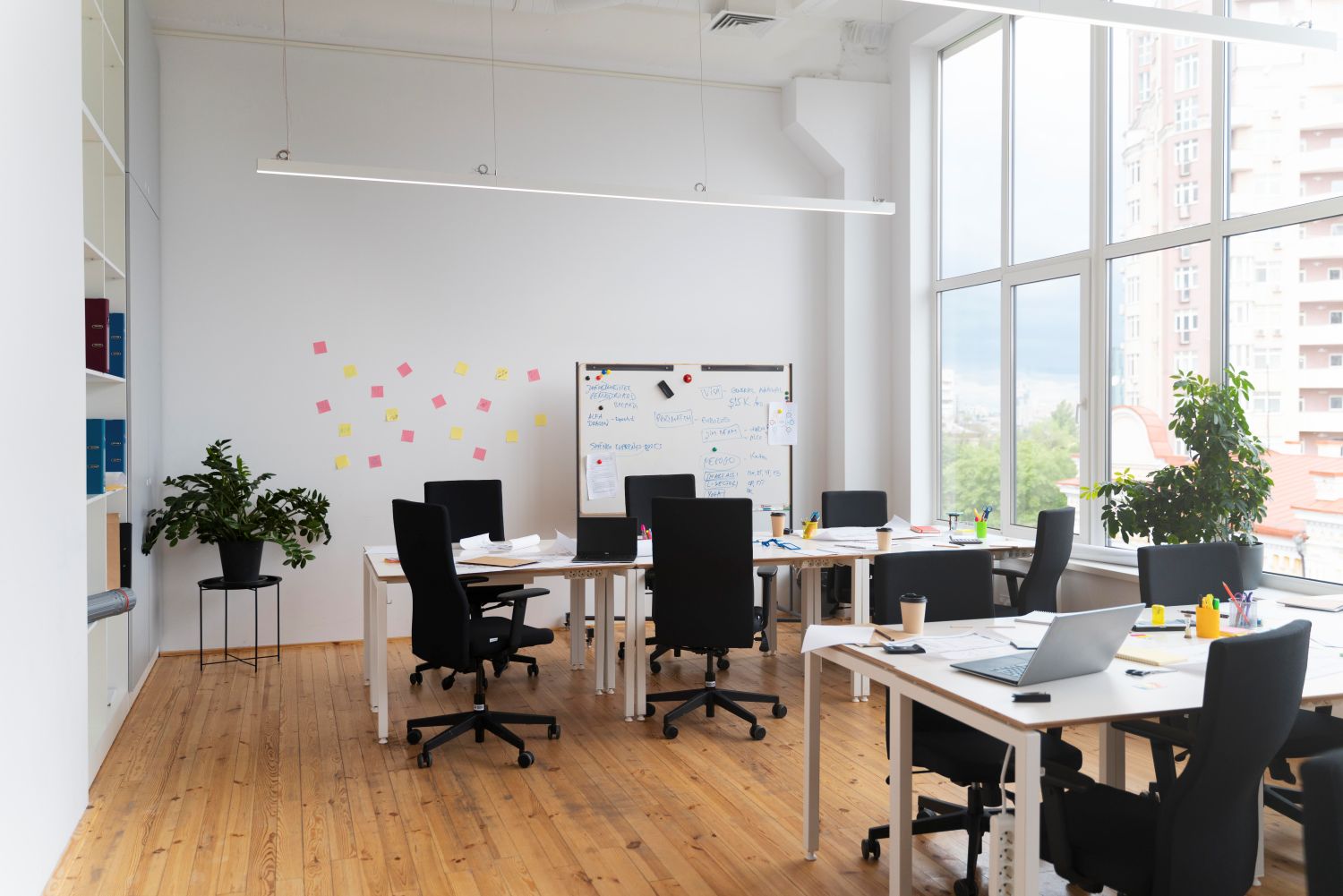
5. Make Better Use of Shared and Collaborative Spaces
A small office does not necessarily need more rooms. It may need better use of the spaces it already has.
Instead of creating multiple small dedicated areas, consider creating a flexible shared space that can support several activities throughout the day.
For example, one area could function as:
Morning:
Team meeting area
Afternoon:
Training or workshop space
Throughout the day:
Informal collaboration area
This approach can help reduce unused floor space while giving employees access to different types of working environments.
Collaborative furniture can be useful in these situations because it is designed around interaction, flexibility and different ways of working.
6. Use Office Furniture to Create Clear Zones
A small office can feel disorganised when different activities overlap without any clear separation.
Furniture can be used to define different zones without necessarily constructing permanent walls.
For example, you could create:
- A focused workstation zone
- A meeting zone
- A collaborative area
- A training or multipurpose zone
The key is to define each area according to its function while keeping the overall layout open enough for people to move comfortably.
Modular furniture makes this easier because the arrangement can be adjusted when the needs of the office change.
7. Avoid Oversized Furniture in Small Offices
When space is limited, larger furniture does not necessarily make the office feel more professional.
Oversized desks, meeting tables and chairs can reduce circulation space and make a workplace feel cramped.
Instead, consider the actual requirements of each area.
Ask:
- How many people need to use the space?
- How frequently is the furniture used?
- Does the furniture need to be moved?
- Could one table serve multiple purposes?
- Is there enough room for people to move around comfortably?
Choosing furniture based on actual usage rather than simply filling the available space can make a small office significantly more practical.
8. Plan for Future Changes
A small office today may not be the same office six months or two years from now.
Businesses grow, teams change and working arrangements evolve. A fixed furniture layout that works today may become inefficient when the workplace changes.
This is another reason modular furniture can be useful.
Instead of replacing an entire furniture setup whenever the office needs to be reconfigured, modular components can provide more flexibility for future changes.
For growing businesses, this can make office furniture planning a more practical long-term investment.
9. Think Beyond Individual Furniture Pieces
Maximising a small office is not simply about finding the smallest desk or chair.
The bigger consideration is how different furniture pieces work together.
For example:
Office desks + office chairs
Create practical individual workstations.
Training tables + collaborative training chairs
Create flexible spaces for training, workshops and meetings.
Collaborative furniture + flexible seating
Support informal discussions and teamwork.
When furniture is planned as part of the overall workplace environment, it becomes easier to create a functional layout without unnecessarily using additional floor space.
Conclusion: Modular Furniture Can Make Small Offices More Flexible
For businesses operating in Singapore where office space can be limited, making better use of the available floor area can be more valuable than simply adding more furniture.
Modular furniture gives businesses the flexibility to adjust their workplace according to changing requirements. From reconfigurable tables and flexible seating to collaborative work areas, the right combination can help one space support multiple activities.
The goal is not to fit as much furniture as possible into a small office.
It is to create a workplace where every part of the space has a practical purpose and can adapt when your business needs change.
If you are planning a new office, renovating an existing workplace or looking for more flexible furniture solutions, Tiong Hin can help you explore suitable office furniture and workplace solutions based on your space and requirements.
Frequently Asked Questions (FAQs)
What is modular office furniture?
Modular office furniture consists of furniture components that can be arranged, combined or reconfigured according to different workplace requirements. This can make it suitable for offices that need greater flexibility in how their space is used.
Is modular furniture suitable for small offices?
Yes. Modular furniture can be particularly useful in small offices because the same furniture can potentially support different activities and layouts, helping businesses make better use of limited floor space.
What type of furniture is suitable for a small office?
Suitable furniture depends on how the office is used. Flexible desks, modular tables, practical office chairs and collaborative furniture can be considered where businesses need to support multiple activities within a limited space.
How can I maximise a small office space?
Start by understanding how the space will be used. Consider flexible furniture, multipurpose areas, suitable circulation space and layouts that can be changed when requirements evolve. Avoid choosing oversized furniture that takes up unnecessary floor space.
Are modular tables suitable for meeting and training rooms?
Yes. Modular or reconfigurable tables can be useful in multipurpose rooms because they can be arranged differently for meetings, training sessions, workshops and group activities.
What are the benefits of flexible office furniture?
Flexible office furniture can make it easier to adapt a workplace when team sizes, activities or working arrangements change. It can also allow one area to serve several functions instead of requiring a separate space for each activity.
Can collaborative furniture be used in a small office?
Yes. Collaborative furniture can be incorporated into smaller workplaces to create dedicated areas for team discussions, informal meetings and group activities without necessarily requiring a large dedicated collaboration room.
Should I choose furniture based on the size of my office?
Office size is an important consideration, but furniture should also be selected according to how the space will be used. A smaller piece of furniture is not always the best choice if it does not meet the functional requirements of the workplace.
Explore More Office Furniture Solutions
Planning a workplace in Singapore? Explore more furniture solutions from Tiong Hin:
Office Furniture Singapore – Explore office furniture for different workplace environments and business requirements.
Training Tables – Flexible table solutions for training rooms, meetings and multipurpose spaces.
Training Chairs – Practical seating options for training, meetings and flexible workplace environments.
Collaborative Furniture – Furniture solutions designed to support teamwork, discussions and flexible working.
Office Chairs – Office seating options for workstations, meeting rooms and different workplace environments.