

14 Jul Furniture Solutions for Tuition Centres & Enrichment Schools in Singapore
Furniture Solutions for Tuition Centres & Enrichment Schools in Singapore
Opening a tuition centre or enrichment school involves much more than choosing the right curriculum and hiring experienced educators. Creating a comfortable, functional and engaging learning environment is equally important, as it directly influences both teaching effectiveness and the overall student experience.
Whether you are setting up a brand-new learning centre or renovating an existing space, selecting suitable classroom furniture should be part of your planning from the beginning. Well-designed furniture not only improves comfort and organisation but also supports different teaching styles and maximises available space.
This guide explores the key furniture considerations for tuition centres and enrichment schools in Singapore, helping operators create learning environments that are practical, welcoming and built for long-term use.
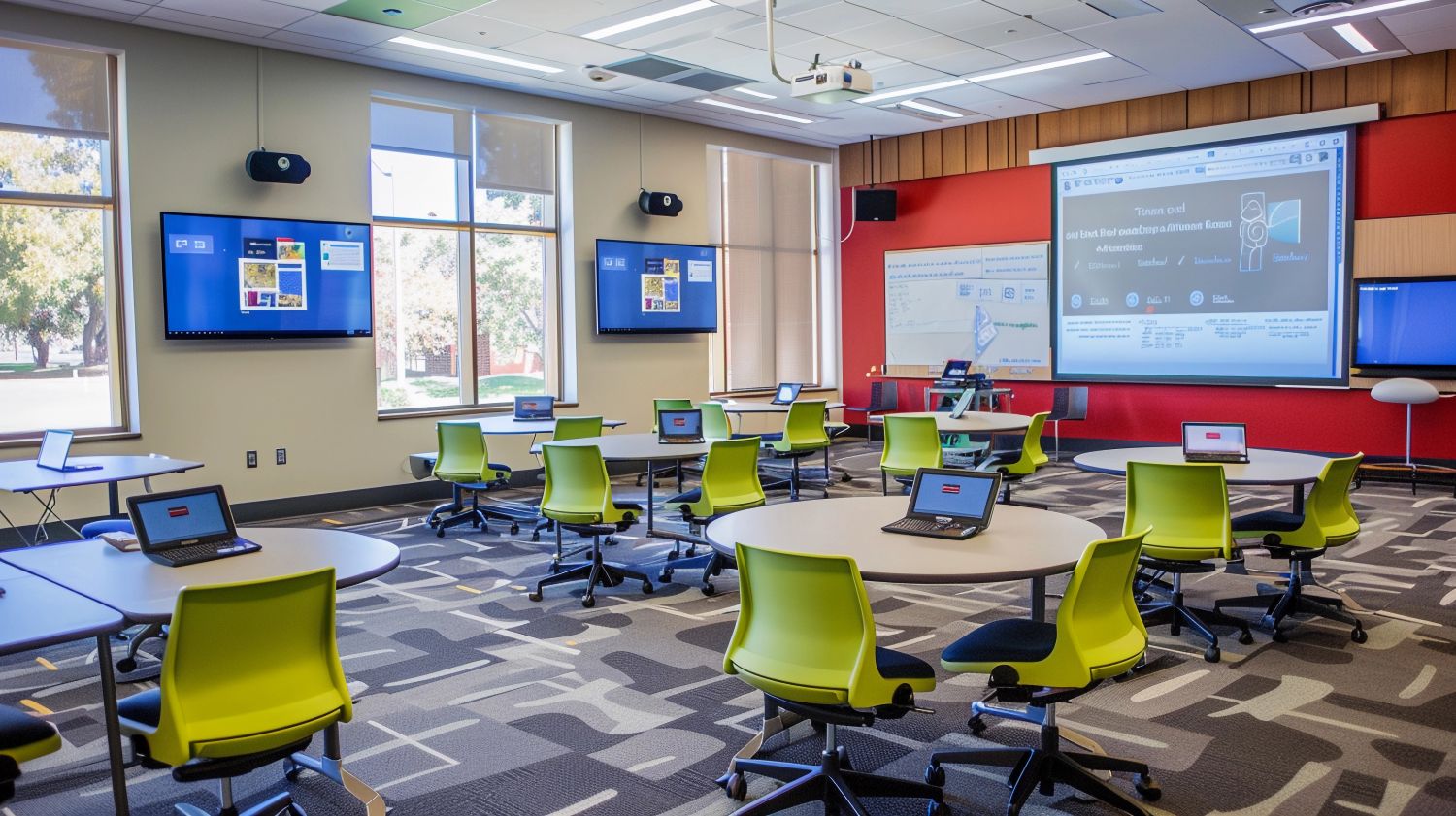
Understanding the Needs of Modern Learning Centres
Unlike traditional classrooms, tuition centres and enrichment schools often cater to students across different age groups and subjects throughout the day.
A single classroom may be used for:
- Primary school tuition
- Secondary classes
- Language lessons
- Coding workshops
- Art enrichment
- Small group discussions
Because of this flexibility, furniture should be selected with adaptability and durability in mind.
Rather than simply filling a room with desks and chairs, operators should consider how each piece of furniture supports different learning activities while making the best use of available space.
Choose Furniture That Matches Your Teaching Style
Every tuition centre operates differently. Some focus on traditional classroom instruction, while others encourage collaborative learning, discussions or project-based activities.
Choosing furniture that aligns with your teaching approach helps create a more effective learning environment.
For example, collaborative classrooms may benefit from modular tables that can be rearranged easily, while exam preparation centres may prefer individual desks that minimise distractions.
Selecting the right classroom furniture solutions from the beginning helps reduce future replacement costs and creates a more consistent learning experience for students.
Optimise Limited Classroom Space
Many tuition centres operate within commercial shop units or office buildings where space is limited.
Every square metre should be utilised efficiently without making classrooms feel overcrowded.
Carefully selected furniture can help by:
- Improving movement within the classroom
- Creating better visibility for teachers
- Allowing flexible seating arrangements
- Supporting multiple classroom configurations
Instead of purchasing oversized furniture, consider furniture proportions that are appropriate for both the available space and the age group being taught.
Prioritise Comfort for Students and Educators
Students attending tuition classes often spend several hours seated, especially during weekends or examination periods.
Comfortable chairs and appropriately sized tables help reduce fatigue and allow students to remain focused throughout lessons.
Teachers also benefit from ergonomic furniture, particularly when conducting multiple classes daily.
Investing in quality educational furniture contributes to a better learning experience while reducing maintenance and replacement costs over time.
Durability Matters for Daily Use
Unlike home furniture, classroom furniture experiences constant daily use.
Desks and chairs are moved frequently, students place heavy school bags on them, and classrooms often accommodate different groups throughout the day.
Choosing commercial-grade furniture built for educational environments provides better long-term value than purchasing lower-cost alternatives that require frequent replacement.
Working with an experienced education furniture supplier ensures products are designed to withstand everyday classroom use.
Create a Professional First Impression
Parents visiting a tuition centre often evaluate more than teaching quality. The appearance of classrooms also influences their confidence in the learning environment.
A clean, organised classroom equipped with modern furniture reflects professionalism and demonstrates that the centre values student comfort and learning.
Simple design choices such as coordinated furniture colours, organised storage and durable finishes can significantly enhance the overall impression of the centre.
Plan for Future Growth
Many tuition centres begin with only a few classrooms before expanding as student enrolment increases.
Selecting furniture that can be easily added to or reconfigured provides greater flexibility as your business grows.
Planning ahead helps avoid replacing existing furniture simply because classroom layouts change.
If you are setting up a new learning centre, an early furniture consultation can help identify furniture solutions that support both current operations and future expansion.
Work with a Supplier That Understands Educational Spaces
Every educational environment has different operational needs.
An experienced supplier can recommend furniture based on:
- Student age groups
- Classroom size
- Teaching methodology
- Space optimisation
- Durability requirements
- Budget considerations
Instead of simply recommending products, the right supplier works together with educators to develop practical furniture solutions that support everyday teaching.
This collaborative approach helps reduce costly mistakes while ensuring every classroom is designed for long-term functionality.
Conclusion:
Frequently Asked Questions (FAQs)
What furniture is essential for a tuition centre?
Most tuition centres require student desks, classroom chairs, teacher tables, storage cabinets and whiteboard-compatible teaching furniture. The exact requirements depend on the subjects taught and classroom size.
What type of furniture is suitable for enrichment schools?
Enrichment schools often benefit from flexible furniture that can support different teaching styles, including collaborative tables, modular seating and durable classroom storage.
How do I choose the right classroom furniture?
Consider student age groups, classroom size, lesson format and expected daily usage. Selecting furniture that balances comfort, durability and flexibility will provide better long-term value.
Why is commercial-grade classroom furniture recommended?
Commercial-grade educational furniture is designed to withstand frequent daily use, making it more durable and cost-effective than residential furniture over the long term.
Can classroom furniture be customised for tuition centres?
Yes. Depending on the project requirements, customised furniture solutions may be suitable for centres with unique layouts or specialised teaching environments.
Create Better Learning Spaces for Every Student
Whether you’re opening a new tuition centre, expanding your enrichment school or upgrading existing classrooms, choosing the right furniture is an investment in your students’ learning experience.
Our team provides practical furniture recommendations and educational furniture solutions tailored to different learning environments. Speak with us today to discuss your project and find the right furniture for your classrooms.