

15 Jun How to Plan Desk Layouts Using Standard Office Furniture (No Custom Build Required)
How to Plan Desk Layouts Using Standard Office Furniture (No Custom Build Required)
Planning an efficient office layout does not always require custom-built furniture. In fact, many modern workplaces in Singapore achieve highly functional and visually clean office environments using standard office furniture combined with smart space planning.
With the right layout strategy, businesses can improve productivity, optimise space usage, and reduce renovation costs without compromising on functionality or aesthetics.
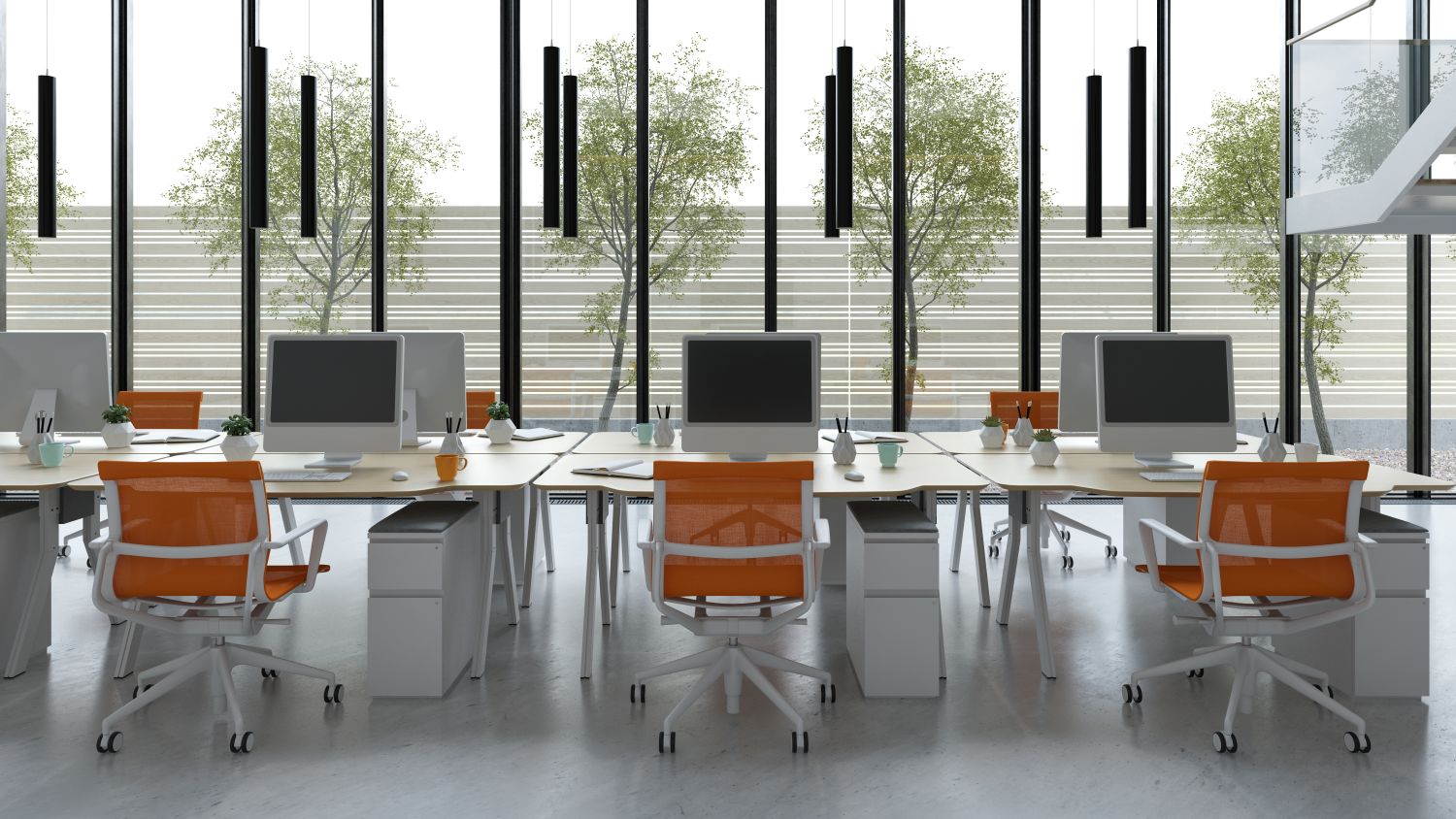
Why Standard Office Furniture Is Enough for Most Workspaces
In today’s workplace environment, most standard office furniture systems are already designed with adaptability in mind. Desks, storage units, and workstation systems are typically modular, allowing businesses to configure layouts in multiple ways without custom modifications.
For many companies in Singapore, especially SMEs and growing teams, this means they can achieve a professional and efficient workspace without heavy renovation costs or long production timelines.
Instead of focusing on custom design, the key becomes how the furniture is arranged within the available space.
Understanding How Desk Layouts Influence Work Performance
A desk layout is not just about fitting furniture into a room. It directly affects how teams communicate, move, and perform daily tasks.
A well-planned layout considers how people interact with each other, how departments operate, and how movement flows through the office. For example, teams that collaborate frequently benefit from closer grouping, while roles requiring focus may need more structured individual zones.
This is why layout planning is often more important than the furniture itself.
Common Desk Layouts Using Standard Office Furniture
Most effective office environments can be created using standard modular furniture systems. The layout choice depends on team structure and work style.
01
Linear Layout
Desks are arranged in straight rows, ideal for structured and focus-heavy work environments where individual productivity is the priority.
02
Clustered Layout
Workstations are grouped into small clusters to encourage communication and teamwork, commonly used in project-based teams.
03
Bench-Style Layout
Long shared desks support multiple users in an open-plan setting, maximising space efficiency and promoting transparency.
04
Hybrid Layout
A combination of individual desks and collaborative zones, suitable for companies with mixed working styles.
Each of these layouts can be achieved without custom furniture—using standard, modular office systems.
Maximising Office Space in Singapore Workplaces
With high rental costs and limited office space in Singapore, efficient space planning is critical.
Instead of expanding physical space or custom-building furniture, businesses can improve efficiency through:
- Optimised desk spacing for movement flow
- Shared workstation configurations where suitable
- Compact modular furniture systems
- Vertical storage solutions to free floor space
A well-planned layout often delivers more impact than expensive furniture upgrades.
The Role of Modular Office Furniture in Flexibility
One of the biggest advantages of standard office furniture today is modularity. These systems are designed to be adjusted, expanded, or reconfigured as business needs change.
This flexibility allows companies to:
- Adapt to team growth
- Reorganise departments easily
- Support hybrid or flexible work models
- Reduce long-term renovation costs
For fast-changing business environments, modular furniture provides long-term operational flexibility.
Common Mistakes in Desk Layout Planning
Even with good furniture, poor planning can reduce workspace efficiency.
Some of the most common mistakes include:
- Overcrowding workstations without proper spacing
- Ignoring movement flow between zones
- Grouping teams without considering workflow relationships
- Failing to plan for future expansion
- Using inconsistent workstation sizes across departments
Avoiding these issues early leads to a more functional and scalable office environment.
A Practical Approach to Planning Desk Layouts
A structured planning approach helps ensure better results when using standard office furniture.
First, businesses should understand team size and how each department operates. This helps define whether the workspace needs more focus zones, collaboration zones, or a balanced hybrid setup.
Next, the office space is measured and mapped to identify key areas such as workstations, circulation paths, and shared zones.
Once this foundation is clear, suitable furniture systems are selected based on flexibility, comfort, and scalability.
Finally, the layout is tested and refined to ensure smooth movement, proper spacing, and practical day-to-day usability.
When Standard Office Furniture Is the Better Choice
Custom furniture is not always necessary, and in many cases, standard office systems offer better value and flexibility.
They are particularly suitable for offices that prioritise scalability, fast setup, and cost efficiency. They also work well in environments where teams are expected to grow or change frequently.
For most modern workplaces in Singapore, standard office furniture provides more than enough flexibility to create a well-functioning workspace.
Learn from one of our blog article:
Choosing Between Workstations and Modular Desks: What’s Best for Your Office?
Conclusion
Designing an efficient office desk layout does not require custom-built furniture. With proper planning and the right use of standard office furniture systems, businesses in Singapore can create workspaces that are both functional and flexible.
Ultimately, the success of an office layout depends less on the furniture itself and more on how well it supports the way people work.
Frequently Asked Questions (FAQs)
Can I design an office layout without custom furniture?
Yes. Most modern office layouts can be effectively designed using standard modular office furniture.
What is the best desk layout for small offices?
Clustered or bench-style layouts are often the most efficient as they maximise space while supporting collaboration.
Is modular office furniture better than custom-built furniture?
In many cases, yes. Modular furniture offers more flexibility, lower cost, and easier reconfiguration over time.
How do I maximise space in a small office?
Use modular furniture systems, reduce unnecessary partitions, optimise desk spacing, and plan clear movement flow.
Plan a More Efficient Office Layout
A well-designed workspace starts with smart planning, not expensive custom furniture.
We help businesses in Singapore design efficient office desk layouts using standard modular furniture systems that improve productivity, flexibility, and space utilisation.
Speak with us today to explore workspace planning solutions tailored to your office.