

14 May Sustainable Office Furniture and Green Mark Considerations in Singapore
Sustainable Office Furniture and Green Mark Considerations in Singapore
Sustainability is becoming an important factor in modern office design, especially in Singapore where Green Mark standards are widely adopted for commercial buildings. Beyond aesthetics and functionality, businesses are now considering how office furniture choices contribute to environmental performance and long-term efficiency.
Selecting sustainable office furniture in Singapore is no longer just a design preference. It is increasingly part of broader corporate sustainability goals and building compliance requirements.
Understanding how furniture choices align with Green Mark considerations helps businesses create workspaces that are both environmentally responsible and future-ready.
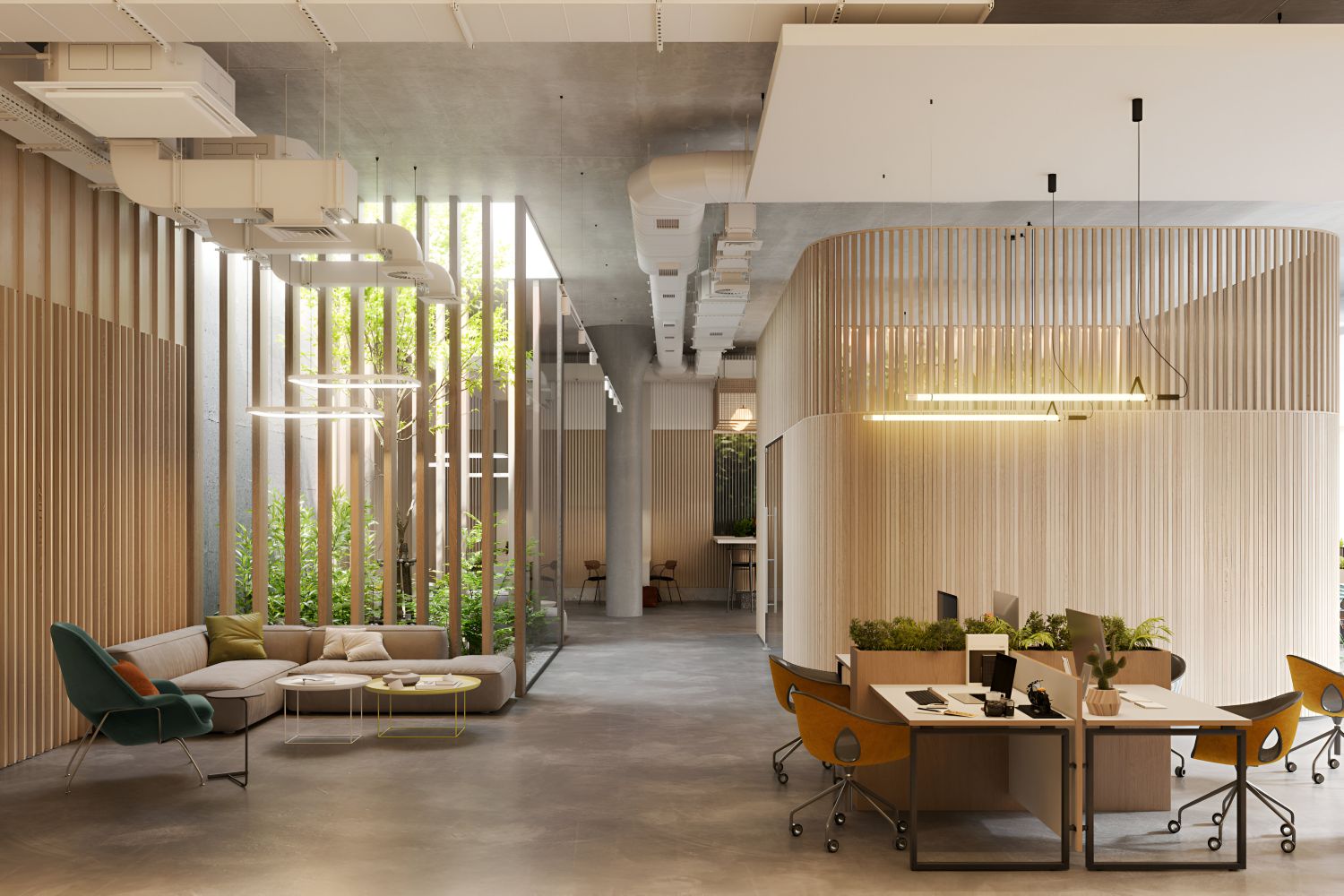
What Is Sustainable Office Furniture?
Sustainable office furniture refers to products that are designed and manufactured with reduced environmental impact. This includes the use of responsibly sourced materials, recyclable components and production methods that minimise waste.
In many modern workplaces, sustainability also extends to product lifespan. Furniture that is durable and long-lasting reduces the need for frequent replacements, which in turn lowers environmental impact over time.
Common characteristics of sustainable furniture include:
- Use of certified or recycled materials
- Low-emission finishes and adhesives
- Modular or reusable components
- Long product lifecycle design
Understanding Green Mark in Office Design
The Green Mark scheme in Singapore is a sustainability rating system that evaluates the environmental performance of buildings. While it primarily focuses on building design and energy efficiency, interior elements such as furniture can also contribute to overall sustainability goals.
In office projects, furniture selection can support Green Mark considerations by improving material efficiency, reducing waste and supporting healthier indoor environments.
Businesses aiming for greener office certifications often work closely with designers and suppliers to ensure alignment across all design elements.
How Office Furniture Supports Green Mark Objectives
Office furniture plays an important role in supporting sustainability targets within commercial spaces. While it may not be the only contributing factor, it influences both environmental impact and workplace efficiency.
Sustainable furniture choices can support Green Mark objectives through:
- Reduced material waste during production and installation
- Longer product lifespan, reducing replacement cycles
- Improved recyclability at end-of-life
- Healthier indoor environments through low-emission materials
These factors collectively contribute to a more sustainable workspace design strategy.
Material Selection and Environmental Impact
One of the most important aspects of sustainable office furniture is material selection. Different materials have varying levels of environmental impact based on sourcing, processing and recyclability.
Common sustainable materials include responsibly sourced wood, recycled metal and eco-friendly laminates. These materials help reduce environmental footprint while maintaining durability and aesthetic quality.
In many cases, working with an experienced eco friendly office furniture supplier in Singapore ensures that material choices align with both design and sustainability requirements.
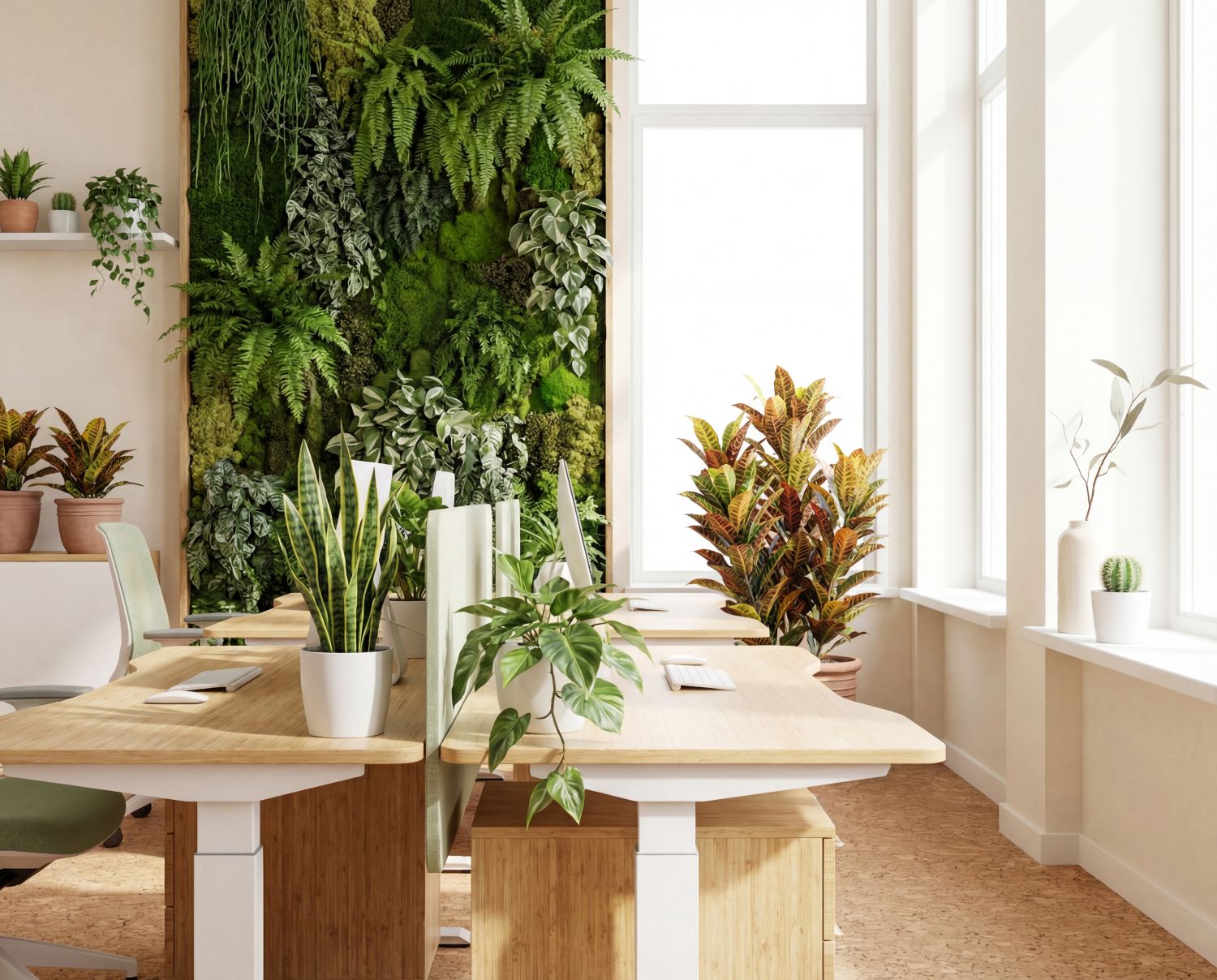
Durability and Lifecycle Considerations
Sustainability is not only about materials but also about how long furniture lasts. Products with longer lifecycles reduce the need for frequent replacement, which helps minimise waste and resource consumption.
High-quality office furniture is designed to withstand daily commercial use, making it a more sustainable long-term investment. This is especially important in high-traffic environments such as corporate offices and co-working spaces.
Choosing durable furniture also supports better cost efficiency over time, reducing both operational and replacement expenses.
Modular Design and Reusability
Modular furniture systems are becoming increasingly popular in sustainable office design. These systems allow components to be reconfigured, reused or expanded based on changing workspace needs.
Instead of replacing entire furniture sets, modular designs allow businesses to adapt layouts efficiently. This reduces waste and supports more flexible workplace planning.
For companies undergoing frequent layout changes or expansion, modular solutions offer both environmental and operational benefits.
Collaboration Between Designers and Furniture Suppliers
Achieving sustainable office design requires collaboration between interior designers, contractors and furniture suppliers. Early coordination ensures that sustainability goals are considered during the planning stage rather than after design decisions are finalised.
Engaging in a structured office furniture consultation process helps align furniture specifications with both design intent and environmental requirements.
This collaborative approach reduces redesign risks and improves project efficiency.
Practical Steps for Choosing Sustainable Office Furniture
Businesses can take several practical steps when selecting sustainable office furniture:
- Evaluate material certifications and sourcing
- Consider product lifespan and durability
- Choose modular or adaptable systems where possible
- Work with suppliers experienced in commercial sustainability requirements
- Align furniture selection with overall workspace design strategy
These steps help ensure that sustainability is integrated into the project from the beginning rather than treated as an afterthought.
Conclusion:
Frequently Asked Questions (FAQs)
What is sustainable office furniture?
Sustainable office furniture refers to products designed with environmentally responsible materials and production methods, often focusing on durability, recyclability and reduced waste.
How does office furniture relate to Green Mark certification?
While Green Mark primarily focuses on building performance, office furniture contributes indirectly by improving material efficiency, reducing waste and supporting healthier indoor environments.
Is sustainable office furniture more expensive?
Not always. While initial costs may be higher, sustainable furniture often provides better long-term value due to its durability and longer lifecycle.
What materials are considered eco-friendly for office furniture?
Common eco-friendly materials include responsibly sourced wood, recycled metals and low-emission laminates or finishes.
Can modular furniture help with sustainability goals?
Yes. Modular furniture reduces waste by allowing reconfiguration and reuse instead of full replacement when workspace needs change.
Section
Build a More Sustainable Workplace
Sustainability starts with thoughtful design and the right furniture choices. Our team works with businesses and interior designers to develop office furniture solutions that balance functionality, durability and environmental responsibility.
Speak with us today to explore sustainable office furniture options for your next project.