

20 Apr Common Office Furniture Mistakes That Increase Renovation Costs (Singapore Guide)
Common Office Furniture Mistakes That Increase Renovation Costs
Office renovations require careful planning, especially when it comes to furniture selection. While design and layout often receive the most attention, poor furniture decisions can quietly increase costs and create long-term inefficiencies.
Many businesses underestimate how office furniture affects space planning, installation timelines and overall renovation budgets. Avoiding common office furniture mistakes can help companies reduce unnecessary expenses and ensure a smoother project execution.
This guide highlights the most common mistakes and explains how to avoid them.
Choosing Furniture Too Late in the Renovation Process
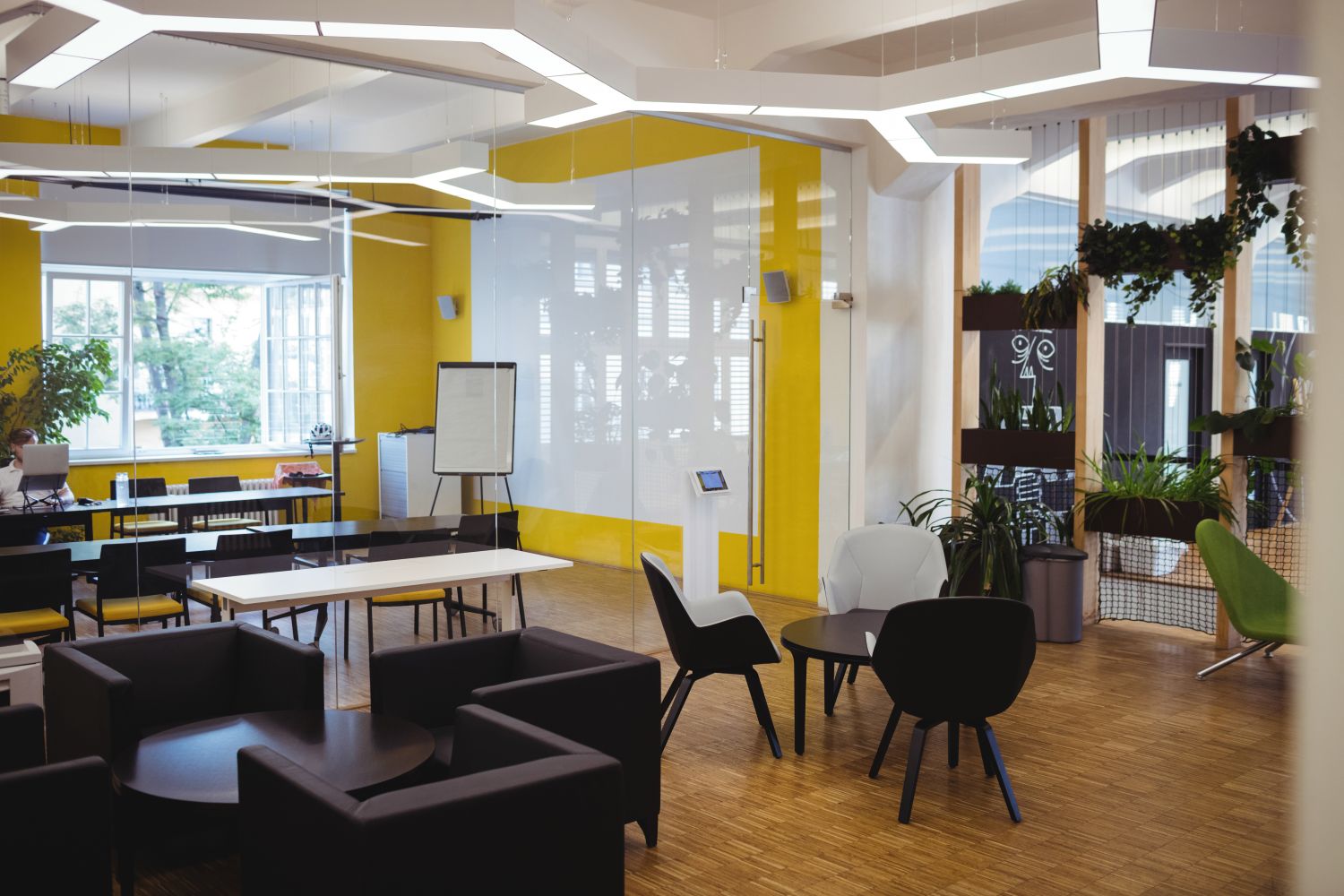
One of the most common mistakes is delaying furniture selection until the later stages of the renovation. At this point, layout decisions and construction work are often already fixed.
This can lead to mismatches between furniture dimensions and the built environment. For example, workstation sizes may not align with electrical points or circulation paths, resulting in costly modifications.
Selecting furniture early allows designers and contractors to align layouts, electrical planning and spatial flow with the chosen furniture system. Businesses that engage in a proper office furniture consultation during the planning stage are able to avoid these issues and ensure better coordination across all phases of the project.
Prioritising Aesthetics Over Functionality
A visually appealing office can create a strong first impression, but furniture must also support daily operations. Choosing furniture based purely on aesthetics often leads to discomfort, inefficiency and higher long-term costs.
In many cases, businesses select stylish furniture that lacks ergonomic support or durability. Over time, this results in frequent replacements and additional expenses that could have been avoided with better planning.
Balancing design with practicality ensures that the workspace remains both visually appealing and functional. This approach supports long-term cost savings and improves employee comfort.
Ignoring Space Planning and Layout Efficiency
Another costly mistake is underestimating the importance of space planning. Office furniture must fit seamlessly within the layout while allowing sufficient movement and accessibility.
Without proper planning, businesses may end up with overcrowded workspaces or inefficient layouts that reduce productivity. Choosing the right office furniture solutions for commercial environments helps ensure that each area is designed with both function and comfort in mind.
Strategic space planning not only improves workflow but also prevents costly layout adjustments later in the renovation process.
Overlooking Flexibility for Future Changes
Modern workplaces are constantly evolving. Companies that fail to consider flexibility often face additional renovation costs when their operational needs change.
Furniture that cannot be reconfigured or adapted becomes obsolete quickly, forcing businesses to invest in new solutions sooner than expected. By exploring modular office furniture systems and flexible workspace solutions, companies can adapt layouts without major renovation work.
Planning for flexibility from the start reduces long-term costs and ensures the workspace remains relevant as the business grows.
Poor Coordination with Furniture Suppliers
Lack of coordination between designers, contractors and furniture suppliers can lead to delays, miscommunication and installation issues.
Furniture delivery schedules must align with renovation timelines. Without proper coordination, projects may experience disruptions that increase labour costs and extend project duration.
Understanding how interior designers can work with office furniture suppliers more efficiently helps businesses streamline communication and improve overall project execution. Early alignment ensures smoother collaboration and fewer unexpected issues.
Underestimating Installation Requirements
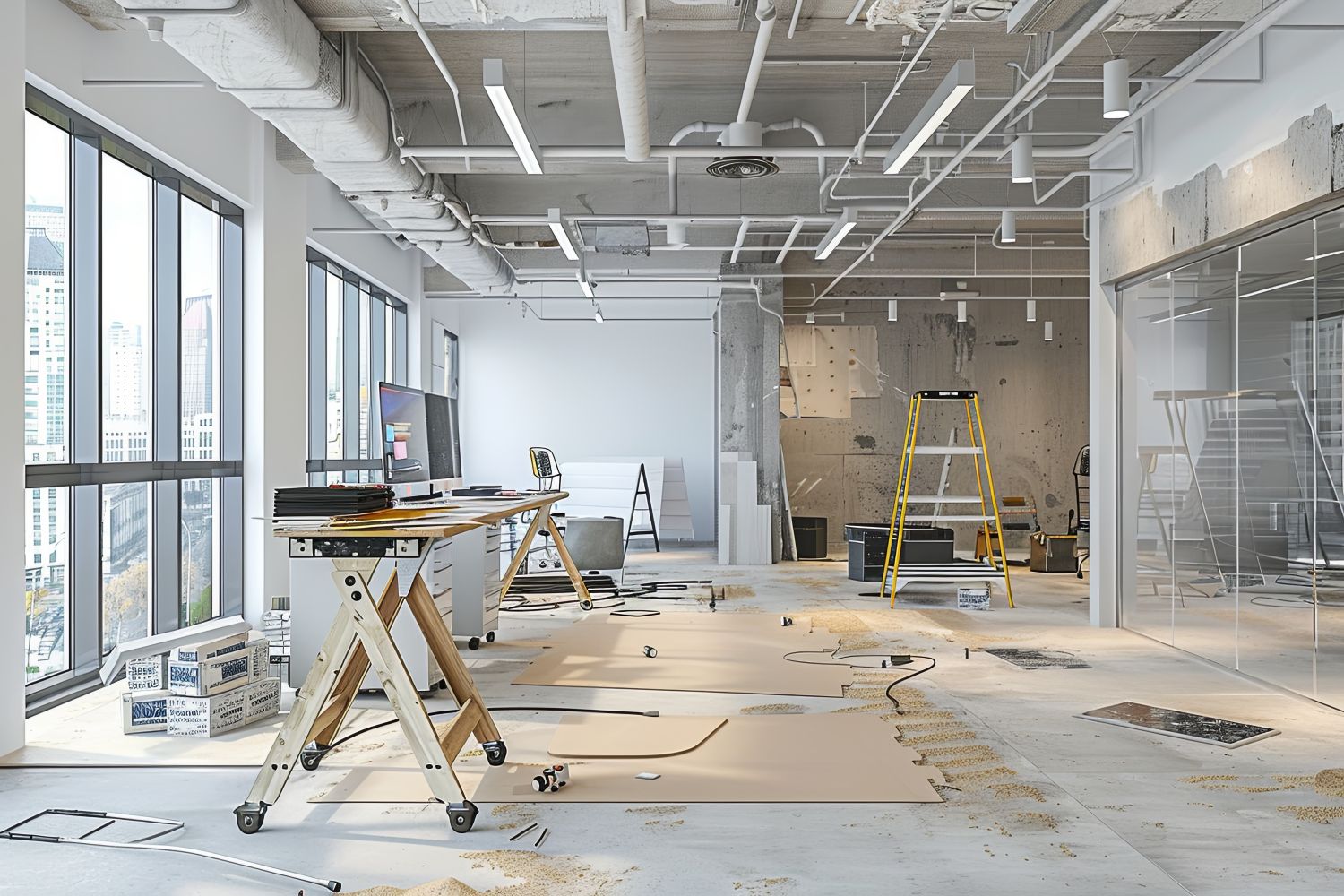
Installation is often treated as a simple final step, but it plays a crucial role in ensuring the success of a renovation project. Improper installation can affect furniture stability, safety and usability.
Professional installation ensures that all furniture is assembled correctly and positioned according to the intended layout. Businesses that overlook this step may incur additional costs for adjustments, repairs or reinstallation later on.
Planning installation properly helps avoid unnecessary complications and ensures a smooth transition into the completed workspace.
Choosing Low-Cost Furniture Without Considering Quality
Budget constraints often lead businesses to choose the lowest-cost furniture options available. However, these products are not always suitable for commercial use.
Lower-quality furniture may use weaker materials and less durable construction, leading to frequent damage and higher maintenance costs. Over time, the total cost of ownership becomes significantly higher than investing in quality furniture from the beginning.
Selecting durable and well-designed office furniture ensures better long-term value and supports a more professional and reliable workspace environment.
Conclusion:
Frequently Asked Questions (FAQs)
What are the most common office furniture mistakes during renovations?
Common mistakes include selecting furniture too late, prioritising aesthetics over functionality, poor space planning and lack of coordination with suppliers. These issues often lead to higher renovation costs and project delays.
How can office furniture affect renovation costs?
Furniture decisions impact layout planning, electrical positioning and installation timelines. Poor planning may result in rework, adjustments and increased overall renovation costs.
When should furniture be selected during an office renovation?
Furniture should be selected during the early planning stage so that it can be properly integrated into the layout design and construction process.
Is it better to invest in higher-quality office furniture?
Yes. High-quality furniture offers better durability and reduces long-term maintenance and replacement costs, making it a more cost-effective investment.
How can businesses avoid office furniture planning mistakes?
Working with experienced suppliers and engaging in a proper office furniture consultation allows businesses to make informed decisions and avoid costly errors during renovation.
Avoid Costly Office Renovation Mistakes
A well-planned office renovation starts with making the right furniture decisions. Our team works closely with businesses and interior designers to ensure every furniture solution aligns with your layout, timeline and operational needs.
Explore our office furniture solutions or speak with us for a consultation to plan your project effectively.