

12 Feb Office Furniture Requirements Interior Designers Should Know Before Proposing to Clients
Office Furniture Requirements Interior Designers Should Know Before Proposing to Clients
When designing a corporate workspace, selecting office furniture is more than just choosing attractive desks and chairs. For interior designers, furniture decisions directly impact compliance, functionality, ergonomics and long-term client satisfaction.
Understanding the technical and practical requirements of office furniture for interior designers helps prevent costly revisions, delays and post-installation issues. Before proposing furniture solutions to clients, here are the key requirements every designer should evaluate.
01
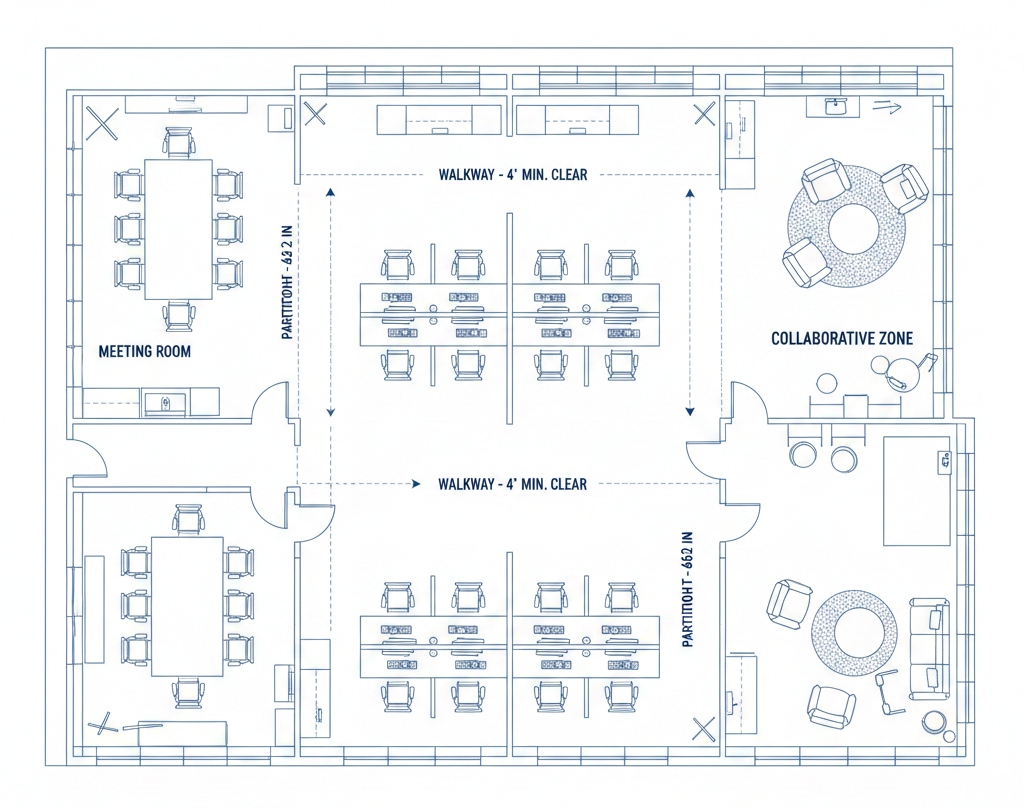
Space Planning and Layout Compatibility
Before selecting any furniture system, designers must evaluate the spatial constraints of the project.
Office furniture should align with:
- Walkway clearance requirements
- Fire escape routes
- Electrical and data point positioning
- Ceiling height limitations
- Natural lighting and window access
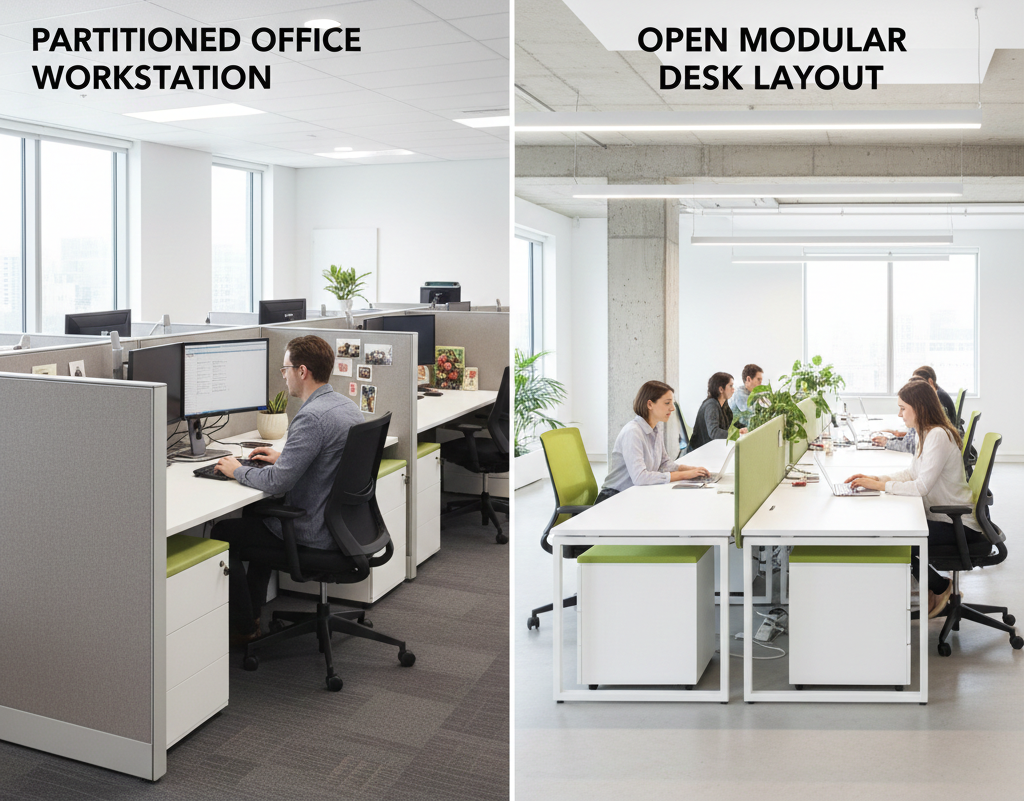
Modular layouts are popular in Singapore due to limited office space. Choosing furniture that supports flexible configurations can make future expansion easier.
💡 Tip: Always confirm workstation depth, partition height and circulation space before finalising renderings.
02
Compliance with Singapore Safety Standards
Commercial office furniture must meet certain safety and durability standards. Interior designers should ensure that proposed furniture complies with:
- Fire resistance regulations
- Load-bearing capacity standards
- Anti-tip safety requirements for storage units
- Rounded edges for high-traffic areas
- Stable cable management systems
Failure to account for compliance can delay project handover or create liability concerns.
Partnering with a reliable supplier experienced in office furniture for interior designers ensures documentation and certifications are available when required.
03
Ergonomics and Employee Wellbeing
Clients increasingly prioritise employee comfort and productivity. Furniture should not only match the aesthetic concept but also support long working hours.
Key ergonomic considerations include:
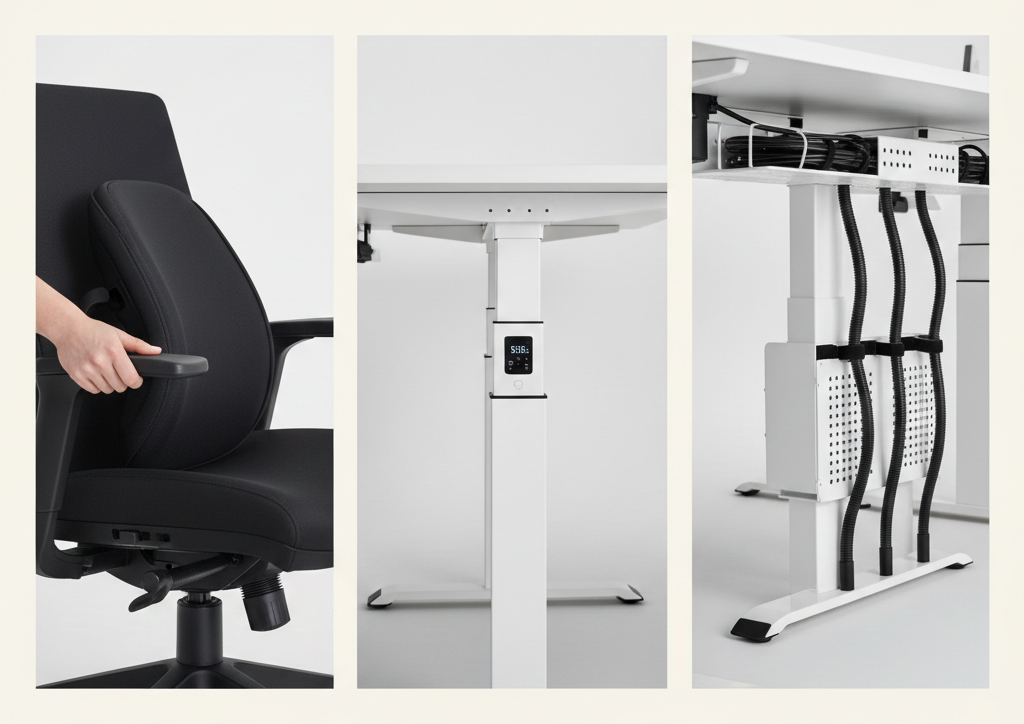
- Adjustable office chairs with lumbar support
- Proper desk height (typically 720–750mm standard range)
- Sit-stand desk options
- Monitor positioning compatibility
- Adequate leg clearance
In Singapore’s competitive work environment, ergonomic investment often becomes a key selling point during client presentations.
You may also refer to our guide on Hybrid Work & Office Furniture: Designing Spaces That Work for Everyone.
04
Integration with Interior Design Concept
Furniture must complement the design theme while remaining practical.
Designers should consider:
- Material finishes (laminate, veneer, powder-coated steel)
- Colour coordination
- Texture balance
- Acoustic panel integration
- Branding elements
Custom solutions allow interior designers to maintain creative control while meeting functional requirements. Bespoke furniture is particularly valuable for:
- Reception counters
- Feature collaborative tables
- Director rooms
- Built-in storage walls
05
Budget Allocation and Cost Transparency
Clients often underestimate the portion of budget allocated to furniture.
Interior designers should clarify:
- Per workstation cost
- Customisation premiums
- Delivery and installation charges
- Lead times
- Maintenance considerations
Providing transparent cost breakdowns strengthens trust and avoids proposal revisions later.
06
Scalability and Future Expansion
Singapore businesses frequently grow or restructure. Furniture systems should allow:
- Easy reconfiguration
- Addition of workstations
- Modular storage expansion
- Cable system upgrades
Recommending adaptable systems positions you as a forward-thinking consultant, not just a stylist.
07
Sustainability and Material Responsibility
Sustainability is increasingly important in corporate decision-making.
Interior designers should evaluate:
- Low-VOC materials
- Recyclable components
- Sustainable sourcing
- Durable construction for long-term use
Clients with ESG goals often prefer suppliers who can provide environmental documentation.
08
Installation and Project Coordination
Furniture selection must align with project timelines.
Before proposing furniture, confirm:
- Production lead time
- On-site installation schedule
- Lift access and loading constraints
- Coordination with electricians and contractors
Delays in furniture installation can postpone overall project completion.
Why Choosing the Right Office Furniture Partner Matters
Interior designers benefit from working with suppliers who understand design workflows.
An experienced office furniture supplier can assist with:
- Technical drawings
- Space planning adjustments
- Custom fabrication
- Compliance documentation
- After-sales support
Strong supplier partnerships ensure smoother project execution and better client outcomes.
Frequently Asked Questions (FAQs)
What should interior designers prioritise when selecting office furniture?
Interior designers should prioritise compliance, ergonomics, scalability and compatibility with the overall design concept before focusing purely on aesthetics.
Is custom office furniture necessary for corporate projects?
Custom furniture is often recommended for reception areas, executive rooms and collaborative spaces where branding and visual impact are important.
How early should furniture be considered in the design process?
Furniture planning should begin during initial layout planning to ensure electrical, lighting and circulation alignment.
Why is ergonomics important in office furniture proposals?
Ergonomic furniture improves employee productivity, reduces discomfort and supports long-term wellbeing, which is a key concern for corporate clients.
Ready to Simplify Your Next Office Project?
If you’re an interior designer planning a corporate workspace, let’s collaborate on furniture solutions that align with your concept, compliance requirements and client expectations.
Speak to our team today to explore customised office furniture solutions tailored for design professionals.